Last Responders: Stress, Regulation, and New Options in Funeral
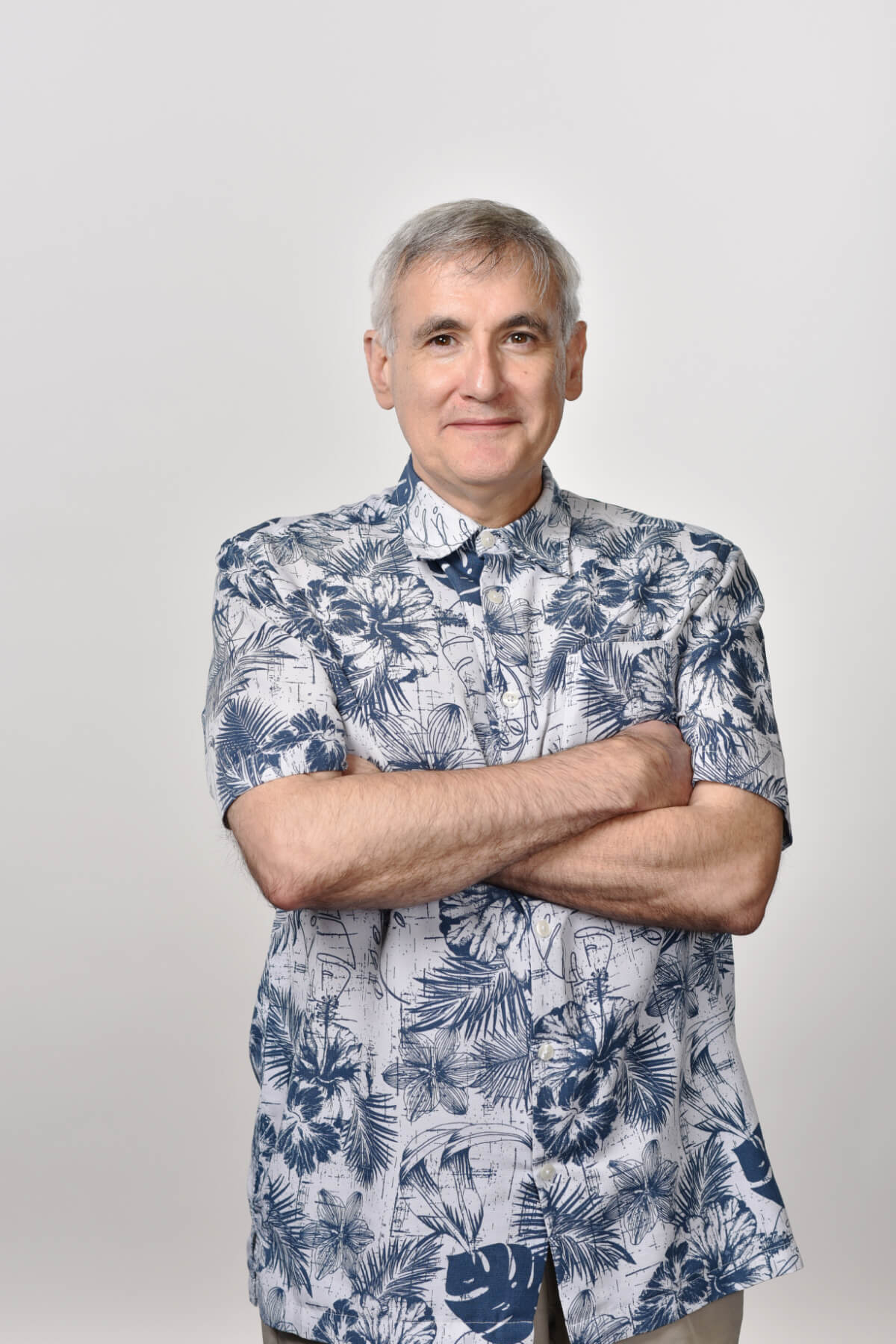
Funeral homes are some of the most quietly regulated, emotionally intense workplaces in our communities, yet most of us only think about them when we absolutely have to. In a recent episode of the True North Compliance Podcast, I talked with funeral director and embalmer Colin Benesch, location manager at Earth's Option Cremation and Burial Services in Victoria, BC, to pull back the curtain on what really happens behind the scenes. Colin is a third-generation funeral service professional who grew up in the business, and he brings a rare mix of technical knowledge, deep empathy, and a strong sense of responsibility to his work.
Colin walked us through the complex web of rules that govern funeral homes. From Transport Canada’s requirements for shipping deceased people, to provincial licensing through the BC Funeral Association and ITA, to municipal zoning that decides where crematoriums can and cannot be built, every part of the process is tightly controlled. These rules are meant to protect families during one of the worst times in their lives, but they also create very real pressure points: long travel distances for cremations, capacity constraints, and a constant need for highly trained, licensed staff.
We also talked about BC’s remarkably high cremation rate, especially on Vancouver Island, and why that matters. As a destination retirement region with a large elder population, Victoria sees many people who want their remains returned “home” after death. Cremation makes that easier and is generally far less expensive than burial. At the same time, zoning limits make it extremely difficult to build new crematoriums in densely populated areas, which can lead to delays and higher costs.
One of the most fascinating parts of our conversation was about new and emerging options: green burial and aquamation. Colin described green burial as a way to return the body directly to the earth in a biodegradable container, with no concrete liner, no embalming, and native plants and trees planted above. Instead of rows of headstones, you get a protected forest that benefits the local ecosystem for generations. Aquamation, or alkaline hydrolysis, offers another path: using water and potassium instead of flames to achieve the same result as cremation, but with far lower emissions.
Throughout the episode, Colin was honest about the emotional toll of this work. Funeral directors are, as he put it, “last responders,” who often carry their own unspoken burden of grief and exposure to tragedy. Balancing that with the need to remain calm, kind, and professional for families is a daily challenge—and one that our regulations and public conversations rarely acknowledge.
If you are curious about what really goes into death care, how regulations shape services, and what greener, more thoughtful options might look like, this episode is for you. You can find this episode of the True North Compliance Podcast on most podcast apps, or below.